The Illusion of Almost: How Near-Misses in Slot Machines Drive Player Behavior
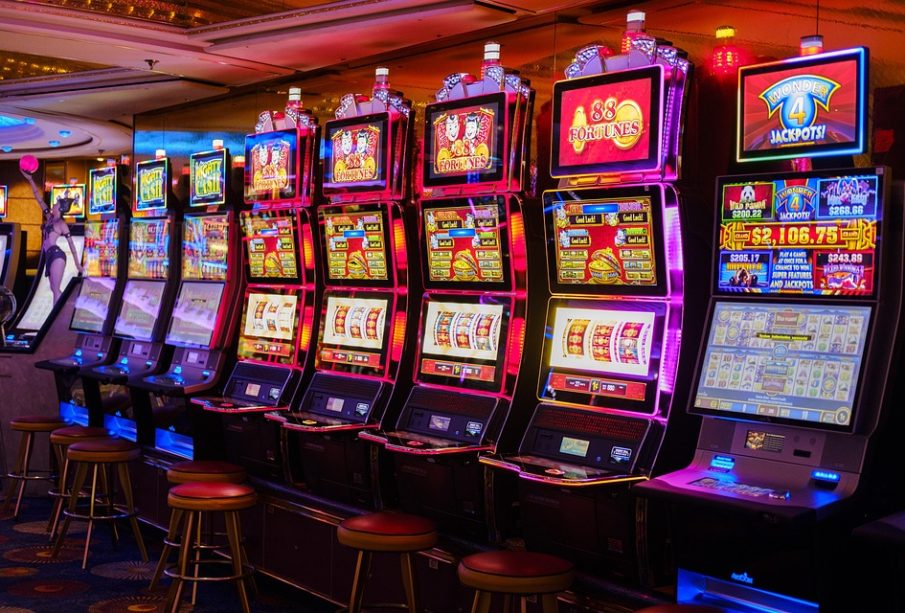
Picture the scene inside a bustling casino floor or on the screen of a modern online slot application. The reels spin rapidly with a blur of colorful fruit, lucky sevens, and glittering jewels, accompanied by rising audio cues that build tension with every second. Suddenly, the first two reels lock into place, revealing matching jackpot symbols. The third reel slows down dramatically, dragging out the suspense as players hold their breath. It crawls to a halt just one position short of completing the winning combination. A low, tense sound plays, signaling a loss, but the emotional impact is far from neutral. Instead of disappointment, a surge of adrenaline hits, and the player instantly presses the spin button again. This phenomenon is known as the near-miss, and it remains one of the most powerful psychological hooks in modern game design.
The Mechanics of the Near-Miss
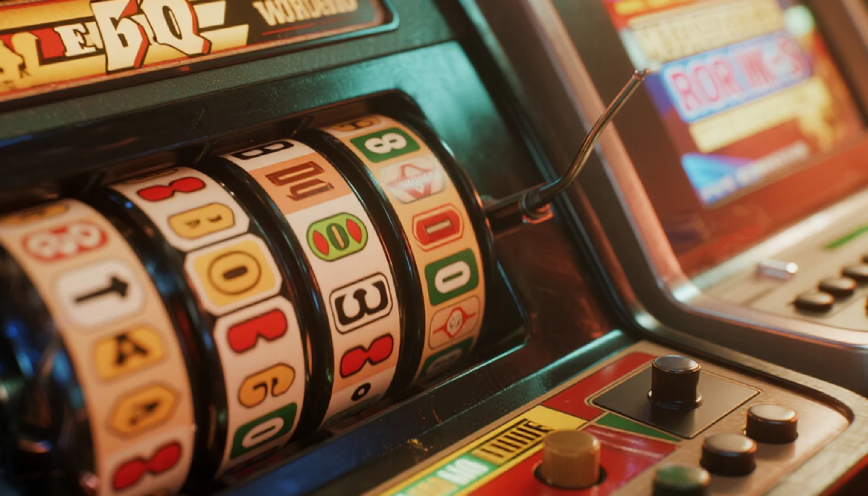
To understand why near-misses hold such profound influence over human behavior, it helps to examine how they are constructed. In traditional mechanical slot machines with physical reels, the number of symbols on each strip dictated the frequency of any given outcome. If a jackpot symbol appeared only once per reel, the physical layout naturally created situations where that symbol landed just above or below the payline.
In modern video and online slots, physical mechanics have been replaced by sophisticated software driven by random number generators. However, the visual presentation still mimics the suspense of physical reels. Game designers deliberately craft the software’s visual pacing to manufacture these near-miss events far more often than pure mathematical probability would dictate by random chance alone, within legal boundaries established by gaming commissions. By placing high-value symbols immediately adjacent to the payline on non-winning spins, developers tap straight into our hardwired psychological vulnerabilities, transforming a standard loss into a compelling illusion of progress.
The Brain on Almost: Neurological and Psychological Responses
The human brain is an evolutionary prediction machine, constantly scanning our environment for patterns, cause-and-effect relationships, and rewards. When we encounter a near-miss, our neural circuitry processes the event in a surprisingly complex manner. Functional neuroimaging studies have shown that near-miss outcomes do not activate the brain regions associated with standard losses. Instead, they light up the exact same reward pathways, specifically the dopaminergic system involving the striatum, that fire when a player actually wins.
Dopamine and the Pursuit of Reward
Dopamine is the neurotransmitter responsible for anticipation, motivation, and the reinforcement of behavior. When a player hits a near-miss, the brain experiences a surge of dopamine that feels remarkably similar to the euphoria of victory. This neurochemical reward creates a powerful paradox. The player has lost money, yet their brain receives a chemical reward signal telling them they were on the right track. This false positive reinforces the behavior, encouraging the player to continue spinning under the subconscious assumption that a true win is just around the corner.
The Behavioral Impact of Cognitive Distortions
This neurological quirk fuels several distinct cognitive distortions, most notably the illusion of control and the gambler’s fallacy. The gambler’s fallacy is the erroneous belief that if a particular event occurs more frequently than normal during a given period, it will happen less frequently in the future, or vice versa. In the context of slot machines, a string of near-misses is often misinterpreted by the player as a sign that the machine is warming up or that a payout is due.
Combined with the illusion of control, which is the irrational belief that personal skill, timing, or ritual can influence a completely random outcome, near-misses convince players that they are playing a game of skill rather than chance. A player who watches three consecutive spins result in near-misses on the bonus symbol does not view those spins as independent random events. Instead, they perceive them as milestones in a developing narrative where persistence will eventually be rewarded.
Exploiting Evolutionary Pattern Recognition
Our ancestors survived by recognizing patterns in nature, such as tracking game through the wilderness or noticing subtle shifts in weather. This survival mechanism relies heavily on our ability to connect partial information to a larger whole. If an early human saw two out of three tracks of a predator, their brain would immediately infer the presence of the animal and prompt defensive action.
Slot machine designers effectively hijack this ancient evolutionary trait. By presenting incomplete winning combinations—two matching symbols with a third just out of reach—the machine triggers our innate urge to complete the pattern. The psychological discomfort of an unfinished pattern creates a subtle tension that can only be resolved by taking another action. In the case of a slot machine, that action is feeding more credits into the machine and spinning again. The near-miss acts as an open loop in the human psyche, and pressing the spin button is the compulsive attempt to close it.
Regulatory Scrutiny and Industry Standards
Because the psychological power of near-misses is so profound, regulatory bodies across the globe maintain strict oversight over how they are implemented. In the early days of mechanical gaming, some manufacturers intentionally weighted reel strips to artificially inflate the frequency of near-misses, making players feel like they were constantly on the verge of hitting a jackpot.
Modern regulated jurisdictions have implemented rigorous standards to ensure that digital slots operate on true random number generators where every spin is an independent event, and previous spins have zero influence on future outcomes. Even though physical or visual near-misses still occur naturally within modern reel mapping, regulators carefully monitor game math to protect consumers from deceptive manipulation. Nevertheless, the inherent psychological impact of seeing symbols land adjacent to paylines remains potent, regardless of whether the near-miss is a byproduct of pure math or specialized reel weighting.
Practical Awareness for Players
Recognizing the psychological mechanics of near-misses is the first step toward maintaining a healthy relationship with electronic gaming. For casual players and enthusiasts alike, understanding that every spin is an entirely independent statistical event helps strip away the emotional illusion created by visual displays.
When you find yourself reacting intensely to a near-miss, feeling a rush of excitement or a sudden urge to chase losses because the last spin was so close, take a moment to step back. Remind yourself that a near-miss is mathematically identical to spinning a completely blank reel or landing completely unrelated symbols. It holds no predictive value whatsoever regarding future spins. Establishing strict financial budgets and time limits before sitting down at a machine provides an effective barrier against the emotional momentum that near-misses are specifically designed to generate.
Conclusion
The near-miss is a masterclass in psychological design, bridging the gap between neuroscience, evolutionary biology, and modern entertainment technology. By transforming losses into near-victories, slot machines tap straight into our deepest neurological reward pathways and cognitive vulnerabilities. Understanding how these mechanisms operate behind the flashy animations and suspenseful audio cues empowers players to approach the games with clear-eyed awareness, ensuring that entertainment remains just that—entertainment.