
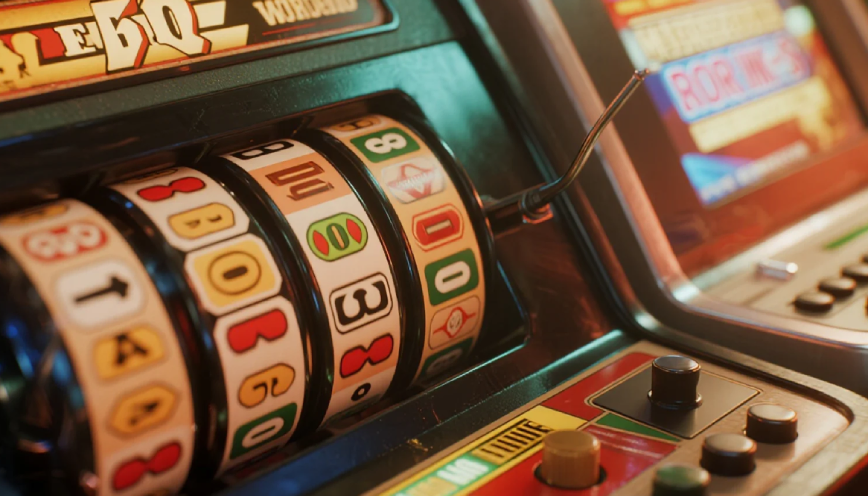
Slot machines are more than just colorful games with flashing lights and enticing sounds. They are intricately engineered experiences, carefully designed using psychological principles that influence player behavior, motivation, and perception of control. The psychology behind slot machine design is an advanced intersection of neuroscience, behavioral economics, and game design. Understanding it reveals how deeply these games tap into human emotion, reward systems, and cognitive biases.
In this article, we will explore how slot machines are intentionally structured to engage players on a psychological level. We’ll analyze the role of reinforcement, sensory stimulation, illusions of control, and emotional triggers that make slot play so compelling. The topic of the psychology behind slot machine design is crucial to understanding why slots dominate casinos and online gaming markets worldwide.
How Slot Machines Exploit the Brain’s Reward System
Slot machines are essentially devices that manipulate the brain’s dopamine circuits. Dopamine, the neurotransmitter associated with pleasure and reward, is a major driver of human motivation. The unpredictable nature of slot rewards makes them particularly effective at triggering dopamine release.
Variable Ratio Reinforcement Schedule
The most powerful psychological mechanism in slot machine design is the variable ratio reinforcement schedule. This concept, rooted in behavioral psychology, means rewards are delivered unpredictably after a variable number of actions.
- Players do not know when the next payout will occur.
- The unpredictability keeps the brain engaged, craving the next spin.
- Even small or near-miss wins keep dopamine levels active.
This reinforcement pattern is the same principle used in behavioral conditioning experiments that demonstrated how animals will repeatedly press a lever if rewards are unpredictable. Humans exhibit similar behavior with slot machines.
Near-Miss Effect and Anticipation
Slot designers strategically use near-miss outcomes, where symbols line up almost perfectly for a win. Studies show near misses increase the player’s arousal level almost as much as actual wins. The human brain interprets these near-misses as being “close to success,” encouraging continued play. This effect operates as a form of psychological reinforcement, convincing players that persistence will eventually lead to victory.
The Role of Sensory Stimulation in Slot Design
Slot machines are a full sensory experience. Every light, sound, color, and animation is crafted to enhance immersion and emotional response.
Sound Design and Audio Cues
Casino environments are filled with celebratory sounds, but none are more recognizable than the chiming tones of a slot win. These auditory cues serve several functions:
- Win reinforcement: Even when the payout is less than the wager, the sound plays, giving a false impression of success.
- Excitement amplification: High-pitched tones elevate arousal levels.
- Environmental contagion: When one machine’s sounds of victory echo across the casino, nearby players feel an indirect urge to play.
Sound design is deliberately tuned to frequencies that evoke excitement, urgency, and reward anticipation.
Visual Design and Color Psychology
Visual elements play a massive role in maintaining engagement. Bright colors such as red and gold are commonly used because they are associated with luck, excitement, and energy. Animation effects following each spin, flashing lights during wins, and the rhythmic spinning of reels all create a hypnotic effect, reinforcing immersion.
Color psychology is subtle yet powerful:
- Red stimulates energy and action.
- Gold conveys wealth and success.
- Blue offers calmness, creating comfort in long play sessions.
Slot designers combine these to sustain the perfect balance between excitement and relaxation.
Illusions of Control and Player Perception
A core psychological trick in slot machine design is giving players the illusion that they can influence outcomes, even though slots are entirely random.
Player Agency Illusion
Features such as “stop” buttons, “hold” functions, or “nudge” options make players feel like their decisions matter. In reality, the outcome is determined the moment the spin button is pressed. These interactive elements exploit the illusion of control bias, a psychological phenomenon where people overestimate their influence over chance-based outcomes.
Skill-Based Slot Variations
Modern slot machines sometimes incorporate minor skill-based bonuses, like aiming or timing features. While these mini-games may slightly influence secondary outcomes, they do not affect the core random mechanism of the slot. Yet, the illusion of skill makes players feel more capable and engaged, strengthening emotional investment.
Emotional Triggers and the “Flow” State
Slot machines are designed to immerse players in what psychologists call the flow state—a mental zone of deep focus and enjoyment where time and self-awareness fade. Achieving this state requires balancing challenge and reward with seamless feedback.
Continuous Feedback Loops
Every spin provides immediate feedback—win, lose, or near miss. The constant feedback loop creates an environment with no downtime, which keeps players’ attention fully absorbed. The rhythm of spin-result-spin keeps the player in the flow state, making it difficult to disengage.
Losses Disguised as Wins (LDWs)
Another powerful psychological tool is the loss disguised as a win. These occur when players receive a payout that is smaller than their original wager, but the machine celebrates it with lights and sound effects. This trick manipulates the player’s emotions, activating the same brain reward centers as an actual win, despite the net loss.
Time Distortion and Environment Control
Casinos are famous for eliminating clocks and windows, and slot machines contribute heavily to time distortion. The steady rhythm of play, combined with stimulating visuals and sound, causes players to lose track of time.
- Sessions that feel short can actually last hours.
- The repetitive pattern induces mild dissociation.
- Ambient lighting and background noise create a sense of timelessness.
Online slots replicate this with autoplay features and rapid re-spin options, allowing continuous play without conscious awareness of time passing.
The Economics of Psychological Design
Behind every slot machine lies a team of behavioral scientists, mathematicians, and UX designers focused on maximizing player retention and “time on device.” The economic success of a slot game depends not just on luck, but on how effectively it leverages psychology to keep players engaged.
The “Sticky” Design Principle
Slot design aims to increase what developers call stickiness—how long a player continues to engage. Through unpredictable rewards, emotional highs, and perceived control, slot machines ensure a player feels both hope and tension simultaneously. This combination keeps them returning, often long after rational decision-making fades.
Personalization and Adaptive Design
With digital technology, slots can adapt dynamically. Online systems track player habits and preferences, adjusting themes, reward frequency, and bonus offers to match behavioral patterns. Personalized slot design strengthens emotional ties and creates a sense of familiarity, further deepening engagement.
Ethical Considerations and Responsible Play
While the psychology behind slot machine design is fascinating, it raises ethical concerns. The same principles that create fun and excitement can also foster problematic behaviors.
- Addictive reinforcement: The variable ratio system mirrors behavioral addiction models.
- Illusion of near success encourages risky persistence.
- Continuous play features reduce conscious control.
Responsible gaming initiatives now advocate for transparency, session limits, and player education to counteract these effects. Knowing the psychology behind these designs helps players recognize when they are being influenced by subtle mechanisms rather than personal choice.
Modern Innovations in Slot Psychology
The evolution of slot design continues, incorporating advanced psychological tactics enhanced by artificial intelligence and data analytics.
Gamification and Progression Mechanics
Modern slots include progress bars, levels, achievements, and unlockable content. These mimic video game structures, giving players a sense of progression and purpose. Psychologically, this taps into completion bias, where people feel compelled to finish what they start.
Social Features and Emotional Validation
Online slots increasingly include leaderboards, friend lists, and social rewards. These introduce social reinforcement, where players gain satisfaction from recognition or comparison with others. The desire for validation and community amplifies engagement.
Micro-Rewards and “Mini Thrills”
Even small animations—like coins flying across the screen or confetti bursts—provide micro-rewards. These create constant stimulation and anticipation, conditioning players to associate the experience itself, not just winning, with pleasure.
Key Takeaways on Slot Psychology
Understanding the psychology behind slot machine design is not about demonizing the games but about awareness. Slots use a powerful mix of sensory, emotional, and behavioral triggers to shape player experience. The combination of unpredictability, illusion of control, and reward anticipation makes them uniquely compelling, but also potentially addictive. Recognizing these psychological levers allows players to enjoy responsibly and appreciate the craftsmanship without losing perspective.
FAQ
How do slot designers decide what sounds and visuals to use?
Designers conduct behavioral testing to measure player responses. Sounds and visuals that maintain engagement or increase arousal are selected through psychological testing and focus groups.
Do online slot machines use the same psychological principles as physical ones?
Yes. Online slots often enhance these effects through personalization, faster gameplay, and immersive graphics, but the underlying psychological mechanisms—unpredictable rewards, sensory cues, and near-miss effects—are identical.
Can understanding slot psychology help players win more?
It won’t increase your odds, but it can help you recognize manipulation techniques and make more conscious choices about how and when to play. Awareness leads to control.
Why do people feel “lucky” after a losing streak?
This stems from the gambler’s fallacy and the brain’s misunderstanding of random patterns. Believing a win is “due” after losses is a natural but irrational response to chance.
Are slot machines intentionally designed to be addictive?
While most designers frame their work as creating entertainment, the principles they use—such as variable reinforcement and time distortion—mirror mechanisms observed in behavioral addiction research. This is why responsible gaming practices are so critical.
By understanding the psychology behind slot machine design, players and regulators can better appreciate how advanced behavioral science shapes every spin, sound, and flash of light, turning chance into a powerful psychological experience.