
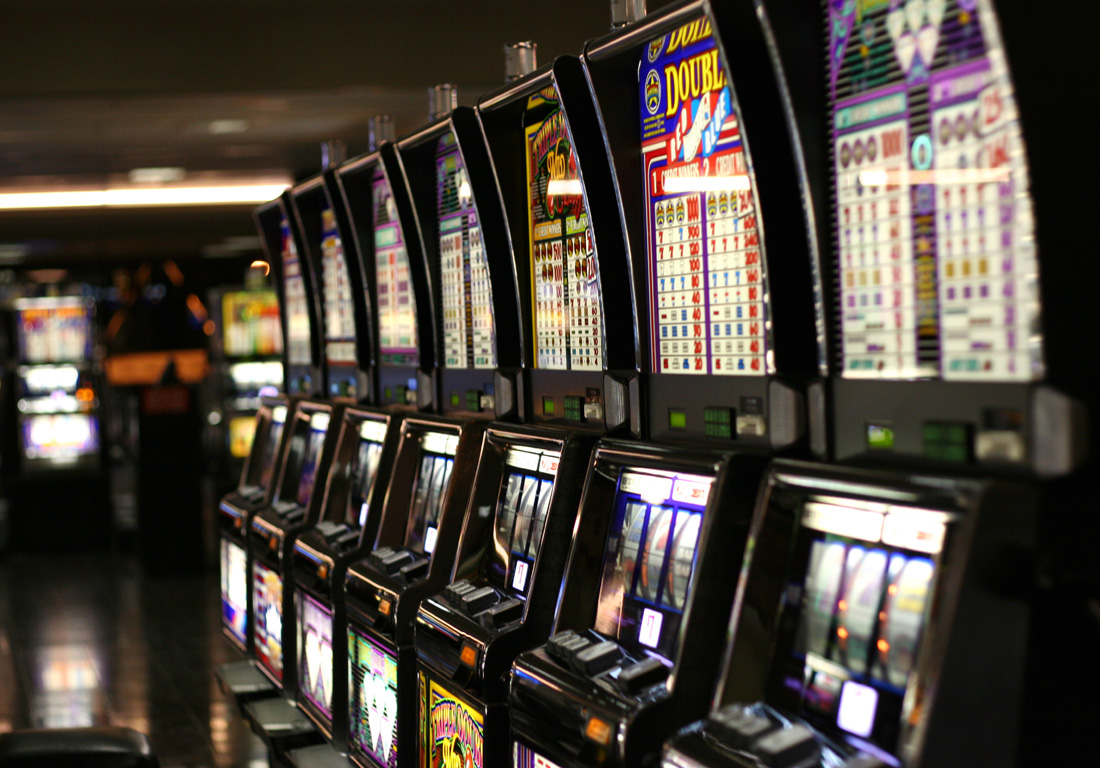
In the world of casino games, slot machines are among the most popular and least understood. Because outcomes are mostly hidden behind graphical interfaces and mathematical algorithms, myths about what really works—or doesn’t—abound. In this article, we dive deep into slot strategies, separating myth from reality, exploring what the evidence and mechanics truly allow, and giving you a clearer picture of how to play more intelligently.
I will also include the anchor text “slot strategies: myths vs. reality” naturally in the second paragraph to ensure relevance and cohesion.
How Slot Machines Work: The Foundation
Before evaluating strategies, it’s vital to understand the inner workings of slot machines. Many “strategies” fail simply because they ignore the fundamental mechanics.
Random Number Generator (RNG)
At the heart of every modern slot machine—whether online or in a land-based casino—is a random number generator (RNG). When you pull the lever or hit “spin,” your bet triggers the RNG which outputs a numeric result that maps to symbols on the reels. This means:
- Every spin is statistically independent.
- The result is determined at the moment you press “spin”—not later.
- No memory exists in the machine: past outcomes have no influence on future ones.
Because of this design, many time-honored assumptions (e.g., “the machine is due”) collapse under scrutiny.
Return to Player (RTP) & House Edge
A slot’s RTP is a theoretical measure: over a huge number of plays (often millions or billions), the machine will return a certain percentage of bets to players. For instance, a 96% RTP machine theoretically pays out 96 cents per dollar bet, on average, long-term.
Key points about RTP:
- It is not a guarantee of what you’ll personally get back in a session.
- It does not change from spin to spin (unless the game is designed with alternate RTPs).
- It informs the house edge (i.e., 100% – RTP).
Thus, RTP gives you insight into how “generous” a slot might be over time, but it doesn’t imply a predictable short-term performance.
Volatility / Variance
Volatility describes how “wild” the swings can be. You might see two slots with the same RTP but very different experiences:
- Low volatility slots yield smaller, more frequent wins.
- High volatility slots offer rare but large payouts, with longer dry spells in between.
Choosing volatility that fits your tolerance and bankroll is more actionable than chasing mythical patterns.
Common Myths About Slot Strategies
Many players cling to beliefs that feel intuitively possible but collapse under logical or empirical testing. Below I dissect the most persistent myths, explaining why they’re false or misleading.
Myth 1: A Machine That Hasn’t Paid in a While Is “Due”
This is the classic gambler’s fallacy. Because spins are independent, there is no notion of “due” or “cold” in a mathematical sense. One spin’s outcome does not affect the next.
Even if a slot hasn’t paid out in days—or has recently given a jackpot—the odds of hitting on your turn remain dictated by the RNG and payout table.
Myth 2: Increasing Your Bet Percentage Raises Odds
Betting more does not change a machine’s probability of hitting winning combinations. Your chance is fixed, though your variance (i.e. magnitude of win or loss) goes up with higher stakes.
In some games, certain features or jackpots require a maximum bet to qualify (so-called “must-bet-max” machines), but that’s a game rule—not a magical shortcut.
Myth 3: You Can Time a Win (Time of Day, Casino Crowds, etc.)
Many players believe early morning, late at night, or off-peak hours are “luckier.” But a regulated slot machine does not alter its behavior based on external conditions or traffic flow. It pays purely according to its programmed logic and RNG.
Myth 4: Slot Club Memberships or Casino Cards Improve Your Odds
While casino loyalty programs offer comps, cashback, free play, or perks, they do not change the mechanics of the slot machine. The card tracks your play for reward purposes; it doesn’t influence the RNG.
Myth 5: You Can Influence Spins by Pressing Buttons or Stopping Reels
Some players think that “stopping the reels at the right moment” or tapping buttons in a rhythm can affect outcomes. In reality, the spin result is locked in when you hit “spin.” Any interaction afterward—autoplay, stop buttons, nudges—only alters the display, not the underlying result.
Myth 6: The Machine Intentionally “Cools Down” After a Big Win
This myth claims that after a large payout, the machine temporarily offers less favorable odds to recoup losses. But because every spin is independent, post-win or post-loss behavior is a statistical illusion, not a mechanical reality.
Strategy Reality: What You Can Do
While no strategy can force consistent wins, there are valid, evidence-backed practices that can optimize your experience and manage your risk. These don’t “beat the house,” but they help you play smarter.
1. Manage Your Bankroll with Purpose
A disciplined bankroll is your first line of defense. Set a per-session loss limit and target gain (e.g. walk away after you’ve won 50% more than your starting funds). This mitigates the chance of chasing losses or getting carried away.
2. Choose Slots with High RTP & Favorable Volatility
Given two options, prefer the slot with a 96–98% RTP over one with 88–92%. Over many spins, this difference matters. If you don’t like variance swings, opt for a lower volatility slot, accepting that big jackpots are less likely.
3. Play Within Your Comfort Zone
Bet sizes should never threaten your ability to continue playing. If jumping too high causes anxiety, lower your bet. The emotional state matters: cautious, clear-headed decisions outshine rash ones.
4. Use Bonuses and Promotions Wisely
If a casino or online site offers free spins, deposit match bonuses, or other incentives, use them strategically—but always read the terms and conditions carefully. Many bonuses have strings attached (e.g. wagering requirements, max bet caps).
5. Know When to Walk Away
Often the best “strategy” is disciplined exit. When you’re up, leave. When you hit your loss threshold, stop. Too many players assume their luck will shift—rarely does that work in one’s favor.
6. Favor Variance Over Rumors
Recognize that perceived patterns—“this machine always pays at minute 17”—are illusions born from randomness. Accept that variance (long losing streaks or lucky bursts) is normal and unpredictable.
Psychology, Bias & the Allure of Myths
Understanding why slot myths persist helps you guard against them. Here are psychological features that reinforce erroneous beliefs:
The Near-Miss Effect
Slot machines often deliver displays that look almost winning—two matching symbols and a near match on the third. This “near-miss” effect can trick the brain into believing victory is close, releasing dopamine and fueling continued play. It’s an exploitation of psychology, not math.
Selective Memory & Confirmation Bias
Players forget the many times their tactics failed, but fixate on the rare instance the myth “worked” (e.g. “I won after leaving and coming back”). That selective memory entrenches false beliefs.
Illusion of Control
Humans are wired to seek control—even in games of chance. The idea “If I press at the right moment, I can influence the outcome” feels empowering, though it’s false within slot mechanics.
Central Takeaways
- No strategy can overturn the house edge or guarantee consistent wins.
- The only real “best strategy” is disciplined bankroll management, smart game selection, and resisting myth-based impulses.
- Leverage RTP and volatility rather than chasing illusions like “due,” “hot,” or “cold” machines.
The path to better slot play doesn’t lie in superstition. It lies in clear understanding, responsible habits, and realistic expectations.
FAQ (Not Covered Above)
Is it better to hit many small wins or wait for a big jackpot?
That depends on your preference and bankroll. If you favor sustaining longer play, low or medium volatility slots are your friend. If your goal is a large payoff and you’re comfortable with deep variance, high volatility slots offer that potential.
Can switching machines improve my odds?
Not really. Because spins are independent, your odds remain fixed on whichever machine you choose. You might switch to get better RTP or variance, but you won’t alter mathematics.
Do slot machines “learn” your behavior over time?
No. Modern slots are not adaptive. They don’t track or respond to user patterns. Every spin is reset, independent, and driven only by RNG.
Should I always bet the maximum on jackpot slots?
Read the rules. Some jackpot-enabled machines require a max bet to allow you to qualify for the jackpot; others do not. If it’s optional—but you can’t afford it—don’t force it.
Do online slots pay less than physical machines?
Actually, many online slots offer higher RTPs than land-based ones because virtual casinos have lower overhead. That said, always check a game’s listed RTP before playing.
If you’d like an even deeper dive (e.g. mathematical models, regional regulatory differences, or slot behavior across jurisdictions), I’d be happy to expand further.